




Report - October 24, 2023
Learn more about the Harris Williams professionals featured in this article.
Strong and Growing Demand, Plus Potential to Differentiate
The latest edition of the annual Harris Williams Home Services Study confirms strong and growing consumer demand for a wide variety of services—even against the backdrop of economic uncertainty. As we discuss in this report, the sector is continuing to create a host of opportunities for leading businesses and M&A investors.
Key Takeaways
Consumers are spending more on home services and plan to keep spending, even in a downturn.
Winning home services brands combine local presence and reputation with modern customer-facing technology, sophisticated marketing, and flexible financing options—all of which can be accelerated by PEG investment.
Strong demand, high fragmentation, and potential for differentiation via professionalization continue to attract buyer attention.
Continued Resilience and Growth
Featuring strong and steady demand drivers, including home-buying millennials with less free time, growing do-it-for-me (DIFM) interest, and an aging population, the home services sector is positioned for healthy long-term growth.
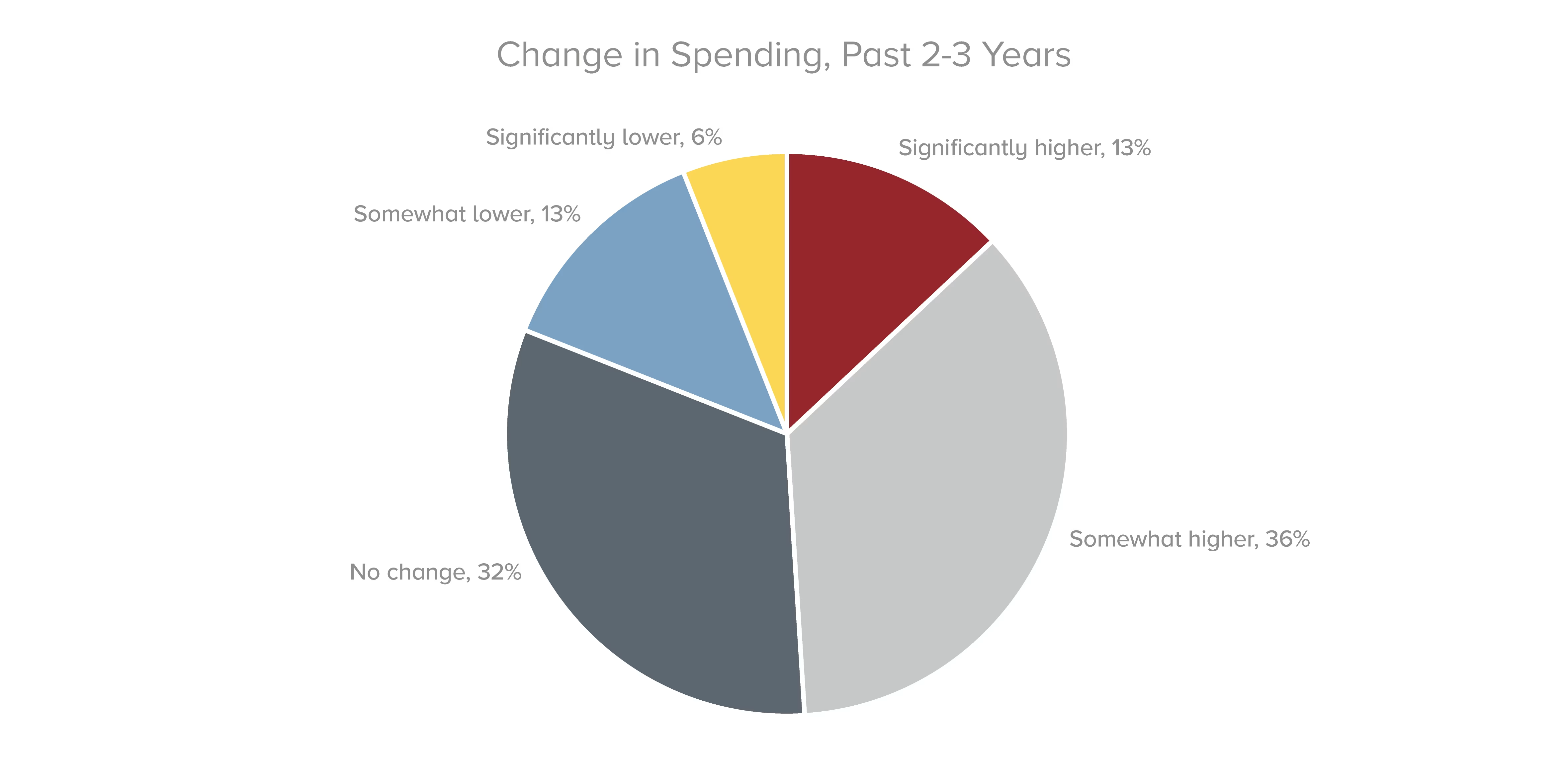
According to Harris Williams’ survey of 1,000 U.S. consumers, nearly half (49%) of consumers surveyed are spending more on home services providers now than they were two to three years ago. Just 20% reported spending less (Figure 1).
Figure 1: Almost Half of Consumers Spending More
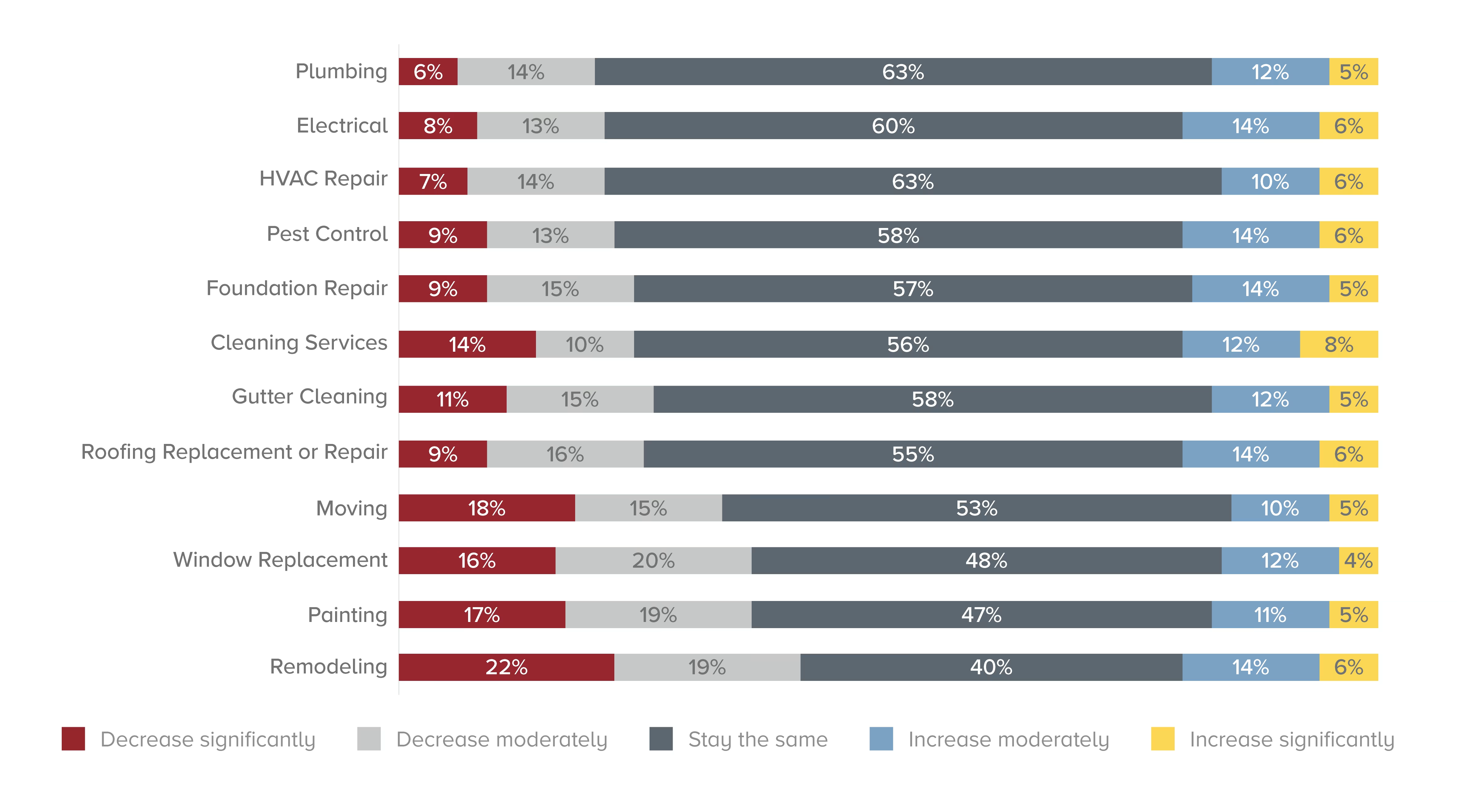
Looking ahead, the vast majority of consumers plan to continue or increase spending on home services, even if there’s a recession (Figure 2).
Figure 2: Consumers Plan to Keep Spending Even in a Downturn
The growth in spending on home services is reflective of an underlying shift in consumer preference from DIY projects to outsourcing home-related tasks to the experts. Across many types of residential services, most surveyed consumers are more likely to outsource home services than perform these tasks themselves. (Figure 3).
Figure 3: Hiring Pros Is Increasingly Popular
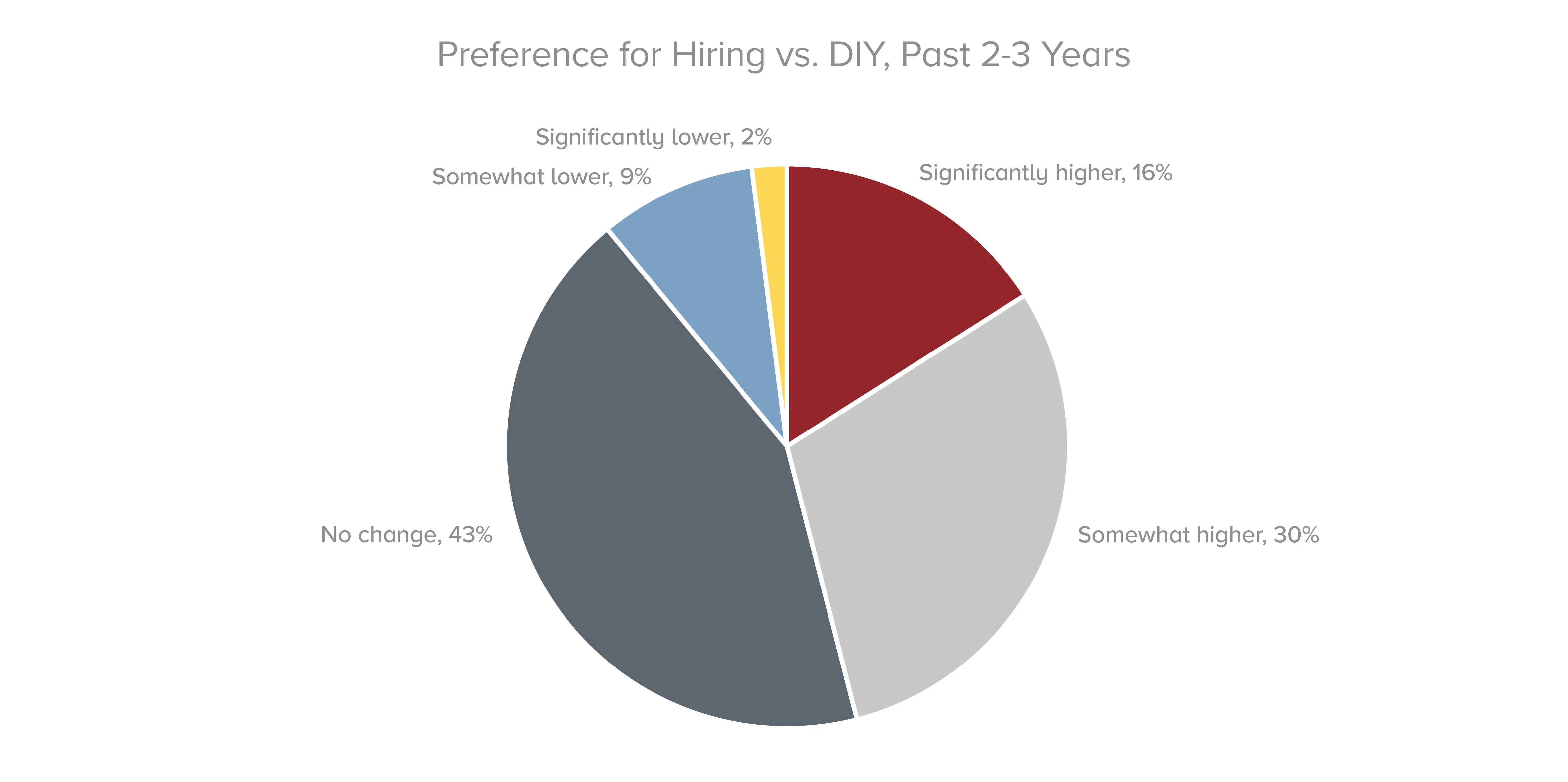
This is particularly true of young adults (ages 18 to 34) whose preference for using professionals has grown more than other age groups: 53% say their preference for hiring versus DIY has grown somewhat or significantly in the past two to three years.
The technical skills required to do many of these tasks boost DIFM uptake. For example, more than three-quarters of respondents prefer to outsource plumbing, window replacement and electrical work as well as foundation, HVAC or roof repair. Brent Spiller, a managing director, points out that companies that provide essential home tasks are especially well positioned to capitalize on the rising DIFM trend as they are non-deferrable and often highly technical in nature. He adds that, “For other services like lawn treatments and gutter cleaning, some consumers may not be performing the task at all, creating an opportunity for providers to grow via educational efforts.”
Investors have a real opportunity to create leaders in many different areas of the sector.
Investors are drawn to that resilient spending, as well as the subsector’s inherent potential for value-creation via M&A. “This a very large, highly fragmented market driven by non-discretionary and recurring needs,” says Spiller.
Tapping Into Consumer Demand
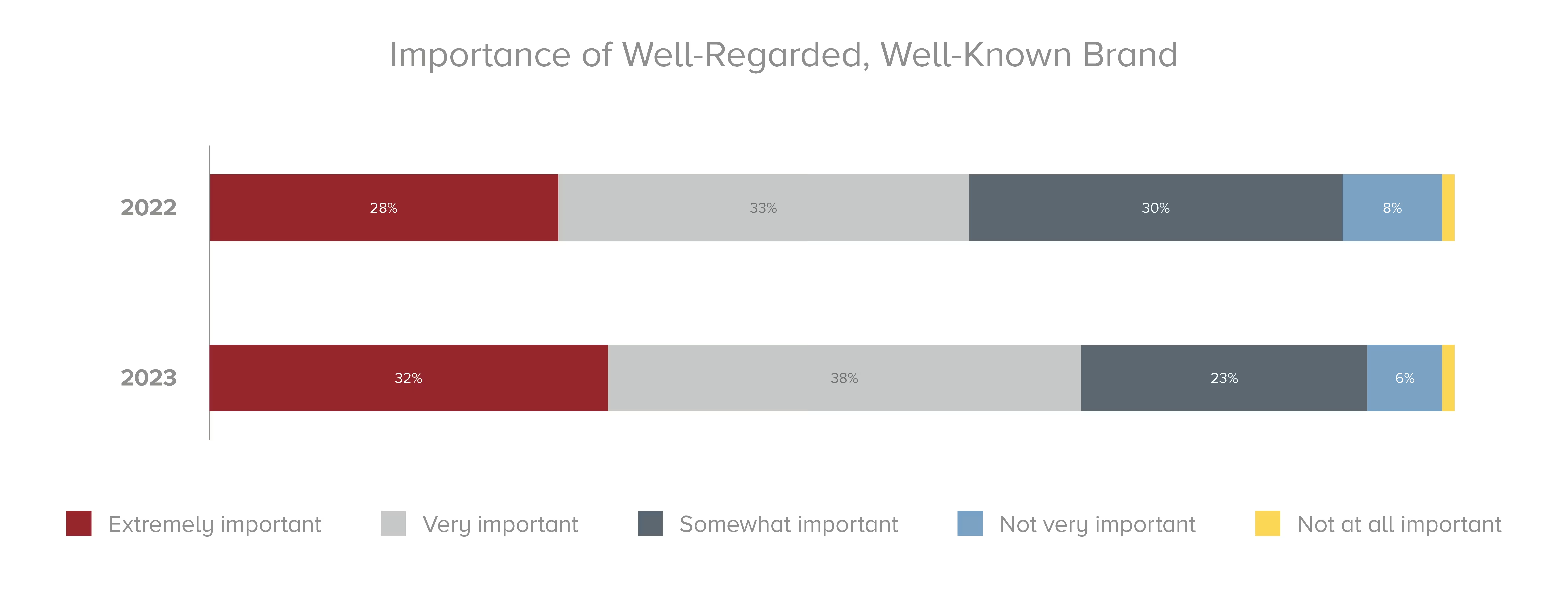
Insights from the study show that investors can take advantage of several opportunities within home services to create growth and value. For example, the importance of a well-known brand is growing in relevance. In fact, the percentage of consumers who say brand is very important is up nine points—from 61% to 70%—from last year (Figure 4).
Figure 4: Brand Importance on the Rise
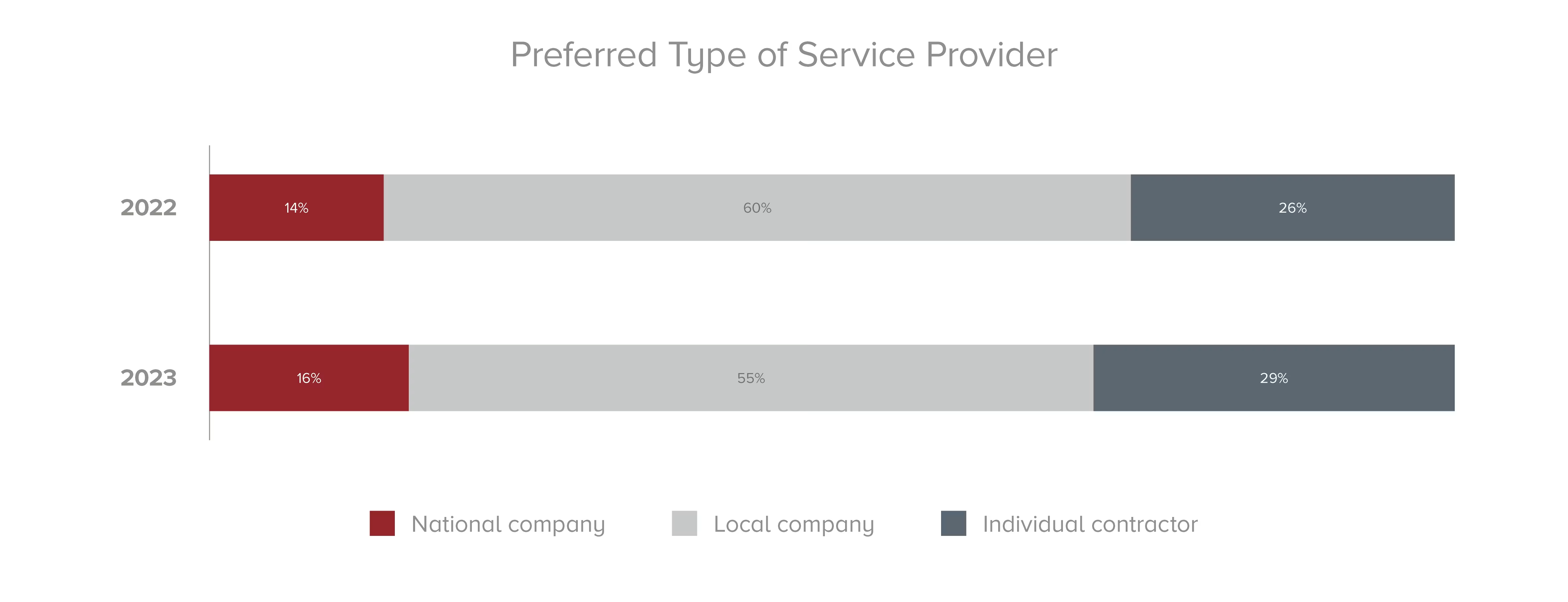
What do consumers seek in a home services brand? “Our study shows most prefer local brands over national providers,” says Zach Ledwith, a director (Figure 5). “So, in this instance, ‘brand’ is more about reputation, familiarity, and local presence than national recognition—although regional and national brands can and do build strong local reputations in locales in which they operate.”
Ledwith adds that private equity investment is often a key enabler of building a differentiating brand: “PEGs often bring the sophistication and resources required to elevate a home services provider’s brand above the competition while connecting with local consumers via the channels they prefer. Individual businesses without such help often struggle to keep up.”
Figure 5: Local Reputation Is Key
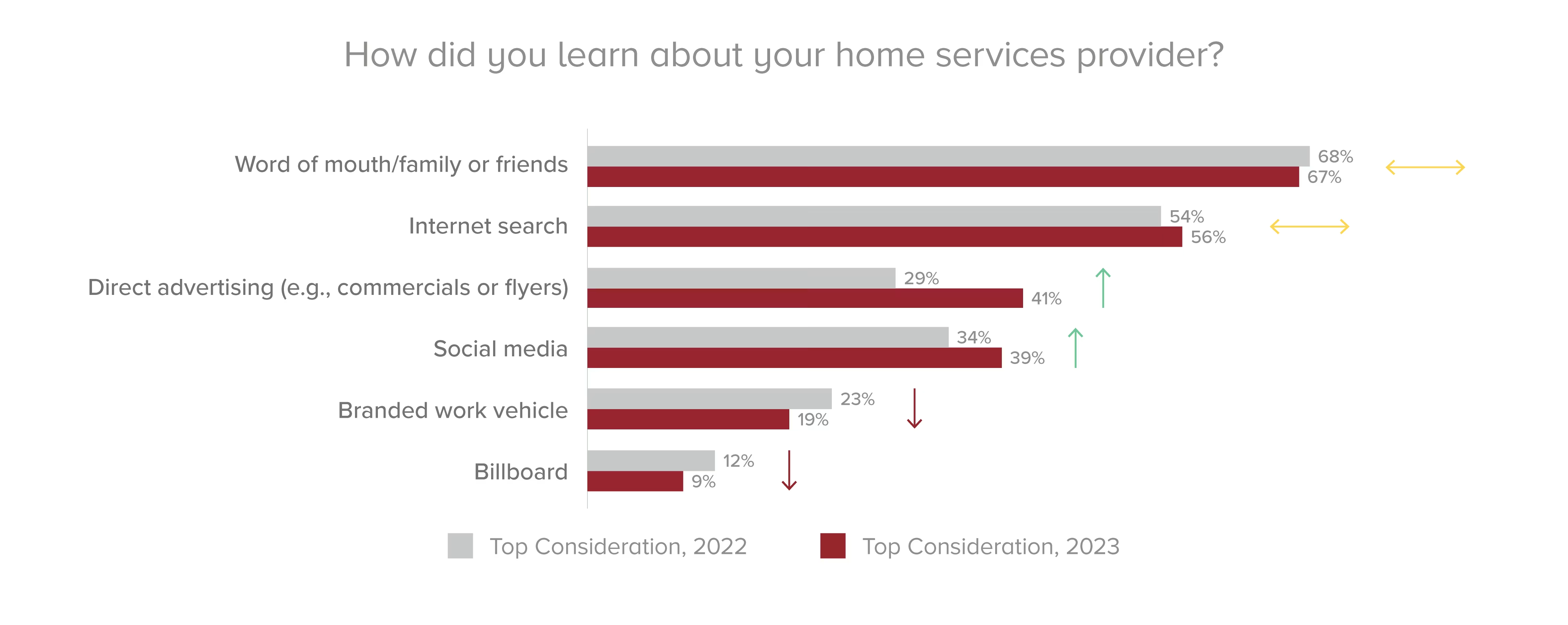
Along with reputation, quality and price rank highest among consumer considerations when deciding on which home services providers to use. In fact, reputation, quality and price outrank convenience factors like proximity, speed and availability. Word of mouth is still a top discovery channel, but digital channels—including internet search, online reviews, and social media—continue to become more prevalent for customer acquisition (Figure 6).
Figure 6: Direct Advertising, Social Media Gain Traction
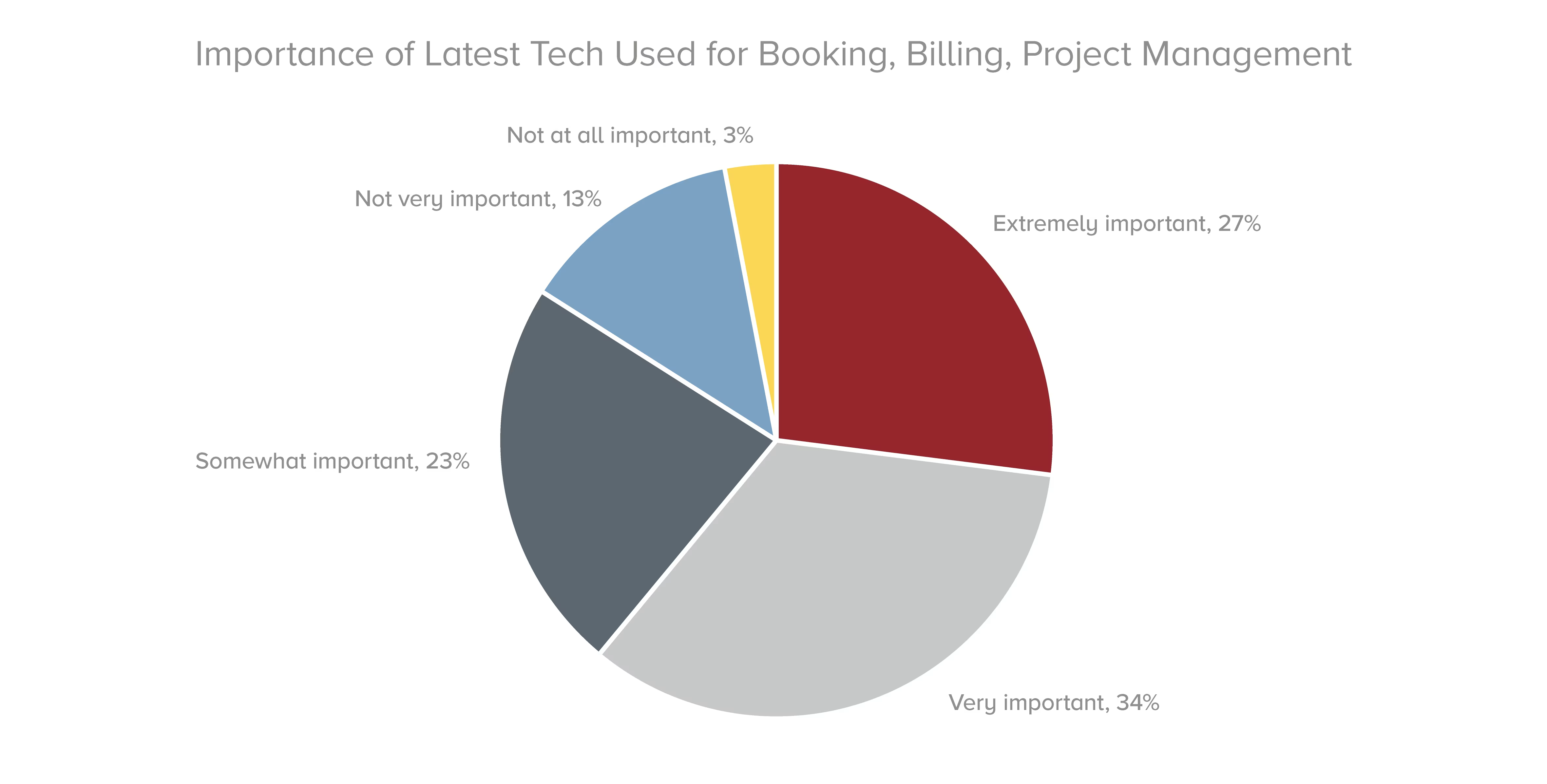
Digital channels can, in fact, be differentiating throughout the customer lifecycle. Consumers expect and demand modern, tech-enabled ways of interacting with home services companies. Nearly two-thirds say it’s extremely or very important that service providers use the latest technology for booking, billing, and project management (Figure 7).
“This is especially powerful given the relative lack of sophistication and scale inherent to many providers in the space,” notes Spiller. “Investors have a real opportunity to create leaders in many different areas of the sector.”
Figure 7: Consumers Demand Latest Tech
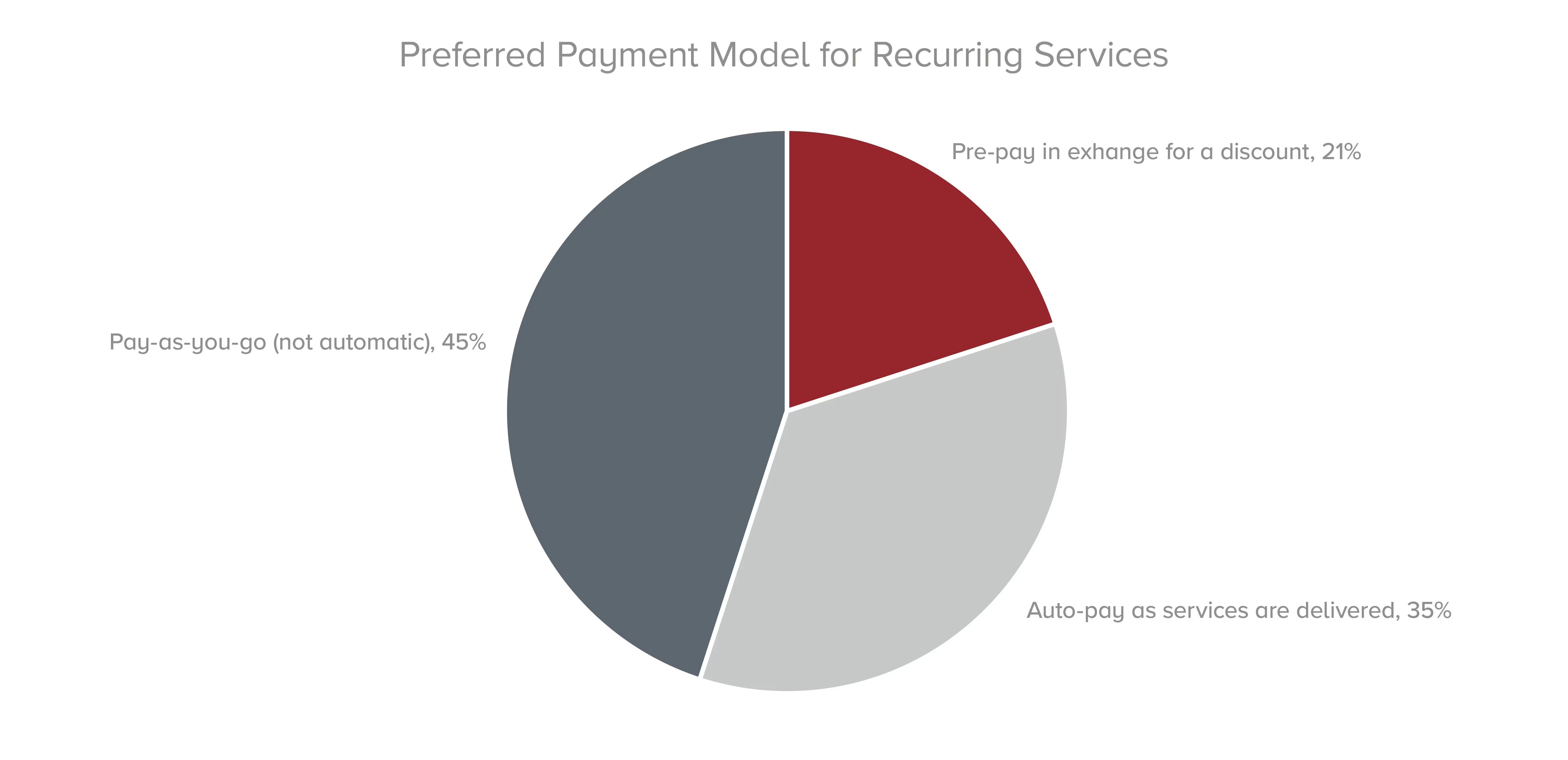
From a payment perspective, consumers value multiple financing options and flexible terms. They are split on which payment plans they prefer, which gives an advantage to companies that can offer several options (Figure 8). Half say financing had a large impact on their decision making for projects greater than $5,000.
Figure 8: Payment Optionality Is Key
Trusted, Modern, and Easy
In sum, today’s home services consumers have a strong preference for trusted brands with modern, easy-to-use customer-facing technology, multiple financing options, and flexible terms. They expect buying home services to be as simple and transparent as any other major purchase, and they are increasingly discovering providers via social media and direct advertising. Yet consumers also want to see those providers present in their communities, and they demand an unimpeachable reputation bolstered by ringing endorsements from family and friends.
Home services providers that can thread this needle stand to benefit from strong and growing demand poised to weather economic downturns. With a high degree of fragmentation and substantial opportunity to create scaled, professionalized platforms, M&A investors have taken notice, driving competition for quality companies ever higher.
To learn more about investment opportunities in the residential services sector or to request a copy of the 2023 Harris Williams Home Services Study, please contact us at consumerinsights@HarrisWilliams.com.